- July 18, 2025
- Posted by: Viacame Communication
- Category: Uncategorized
Introduction: Reframing Gender Justice in Africa
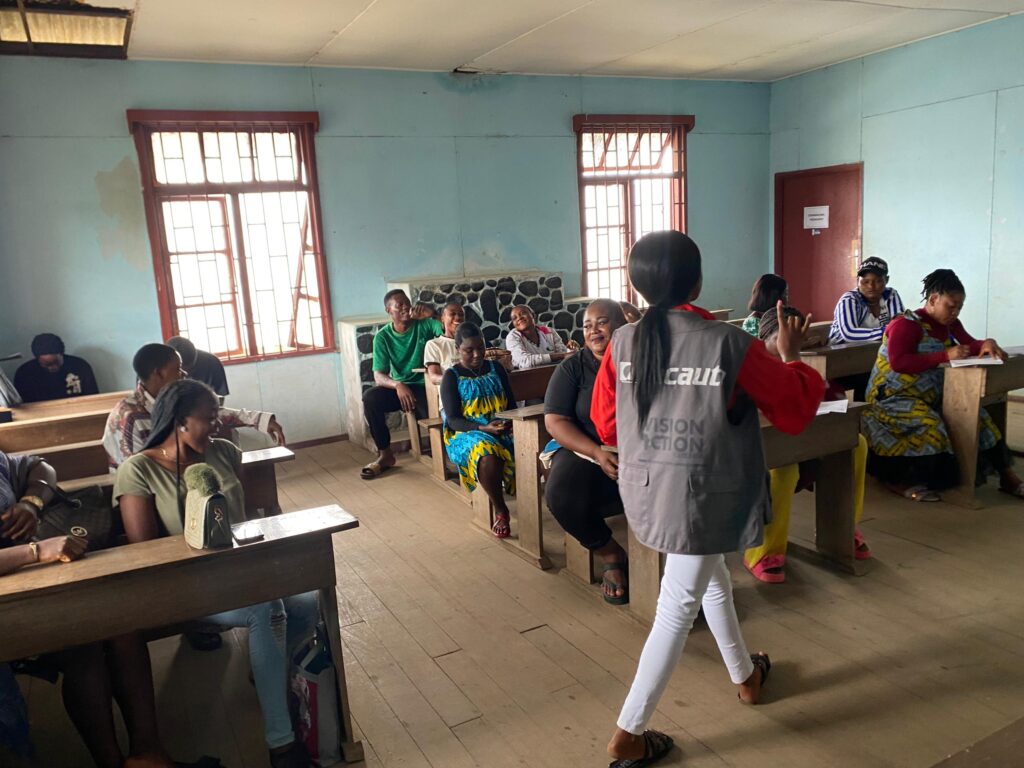
Gender justice in Africa, and particularly in Cameroon, transcends the notion of treating men and women identically. It is a transformative pursuit rooted in dismantling systemic inequalities, colonial legacies, and patriarchal norms that have historically marginalized women, girls, and gender-diverse individuals. In Cameroon, gender justice means recognizing the disparities in access to education, healthcare, land, and political representation and actively correcting them through legal reforms, policy shifts, and cultural change.
While equality implies uniform treatment, equity acknowledges diverse needs and historical disadvantages. It seeks to provide tailored support so that all individuals regardless of gender can thrive. This distinction is critical in Cameroon, where entrenched social norms and institutional gaps continue to hinder progress.
Legal and Constitutional Foundations for Gender Equity in Cameroon
Cameroon’s commitment to gender equity is enshrined in its Constitution, which guarantees equal rights and obligations for all citizens. Article 18 explicitly mandates the elimination of discrimination against women and the protection of their rights. Cameroon is also a signatory to key international instruments, including:
- CEDAW (Convention on the Elimination of All Forms of Discrimination Against Women)
- Beijing Declaration and Platform for Action
- African Union Declaration on Gender Equality
Recent legal reforms include:
- Revocation of the 1980 circular that barred pregnant girls from attending school, now allowing them to continue their education with maternity leave provisions.
- Amendments to the Penal Code to address sexual harassment and gender-based violence.
- National Gender Policy (NGP) introduced in 2015, focusing on equitable access to resources, participation in development, and institutional gender mainstreaming.
Government Efforts Toward Equity
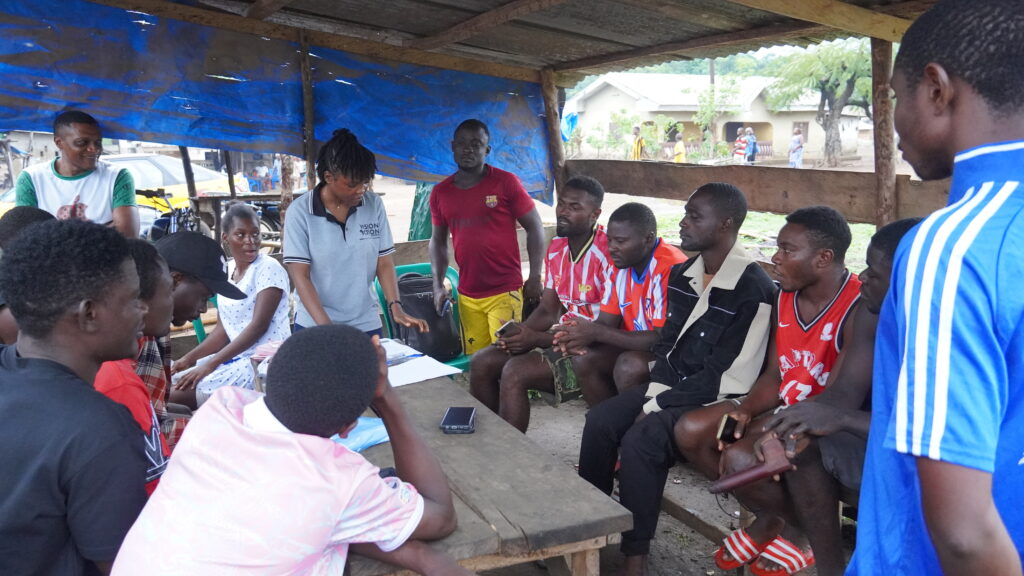
Common examples of patriarchal ideologies and social norms that are deeply rooted in communities:
Here are some common examples of patriarchal ideologies and social norms that are deeply rooted in communities, which are often expressed through sayings, proverbs, and everyday beliefs affect both men and women. These ideologies reinforce the belief that men are superior to women, or that women’s roles are inherently limited to domestic and reproductive duties, or how they express how a man cannot show his vulnerability because he is a man. These Patriarchy social norms are expressed in our communities with sayings and ideologies such as;
- “A woman who talks too much will never marry.”
- “Only a man can build a home; a woman can only maintain it.”
- “A woman’s strength is her silence.”
- “A woman cannot inherit land; land belongs to men.”
- “A woman’s place is in the kitchen.”
- “A man must never cry.”
- “A man provides, no matter what.”
- “A man’s worth is in his pocket.”
- “A man who depends on a woman is not a real man.”
- “A man must control his woman, or he is not a man.”
- “”When a woman gets married, she marries the whole family.” (which implies that her life is to serve the husband and his family)
- “A man can marry as many women as he can take care of, but a woman should remain loyal to one man.”
- “The man is the tree, and the woman is the vine.” (creating a belief system that women exist to depend on and wrap around men)
Common social norms rooted in patriarchy which are held strong by the members of the community which does not only affect women but also men:
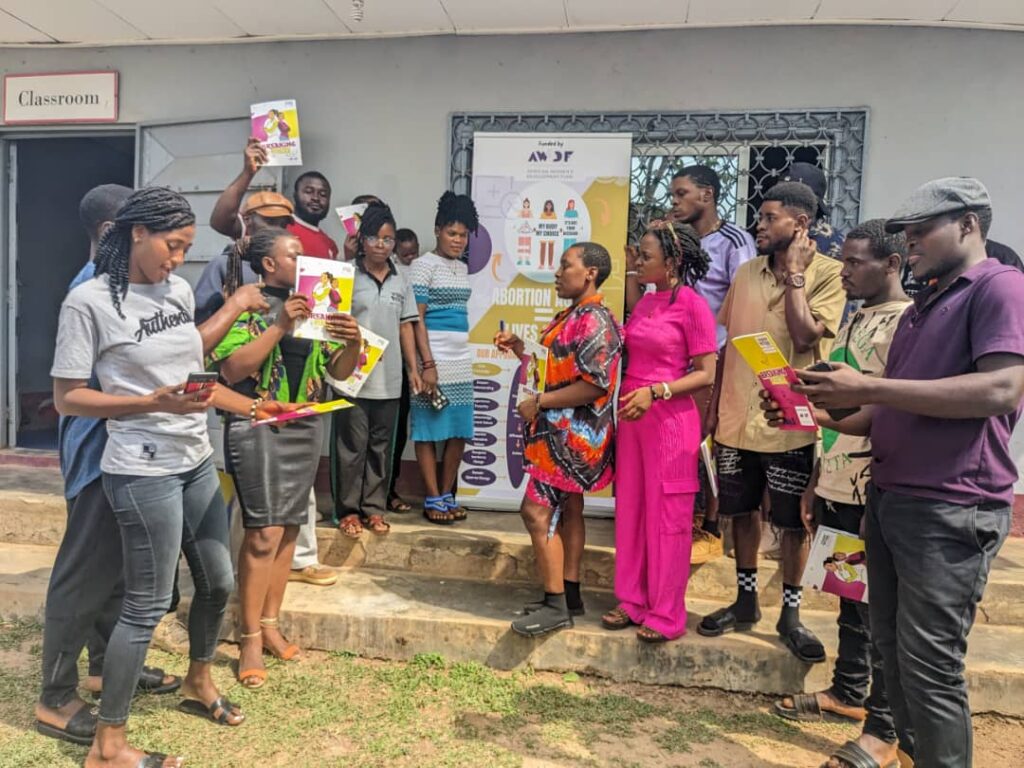
Also, some common social norms rooted in patriarchy which are held strong by the members of the community which does not only affect women but also men include that:
- Women are being blamed for not having male children.
- Vulnerability is not manly.
- Women are expected to take on all domestic chores, even when working full-time.
- Sons are being prioritized over daughters in inheritance, attending school, and decision-making.
- A man who cannot provide is not a real man.
- Men are discouraged from pursuing certain professions seen as “feminine” (nursing, teaching young children, cooking).
- Girls are being taught to aspire to marriage above all else.
- Men tend to have more freedom to express anger or dominance, while women are told to be calm and tolerant.
Role of NGOs and CBOs: Pathways to Equity
Non-governmental Organizations (NGOs) and community-based organizations (CBOs) play a pivotal role in bridging the gap between policy and practice. Key strategies include:
1. Community Engagement and Education:
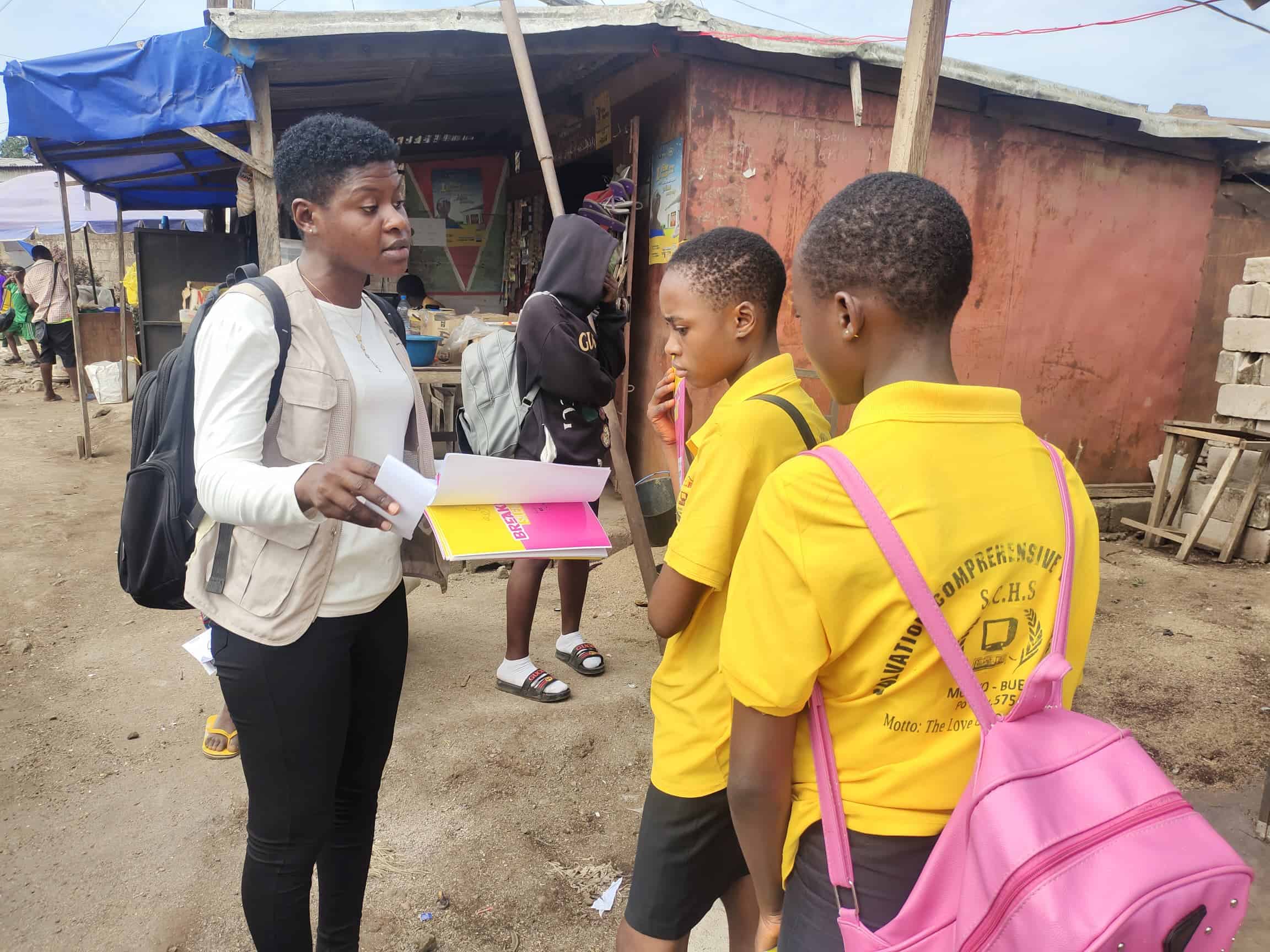
- Conduct gender sensitization workshops targeting men, boys, and traditional leaders to challenge harmful norms
- Promote HeForShe clubs in schools to foster allyship and awareness
Legal Literacy and Advocacy
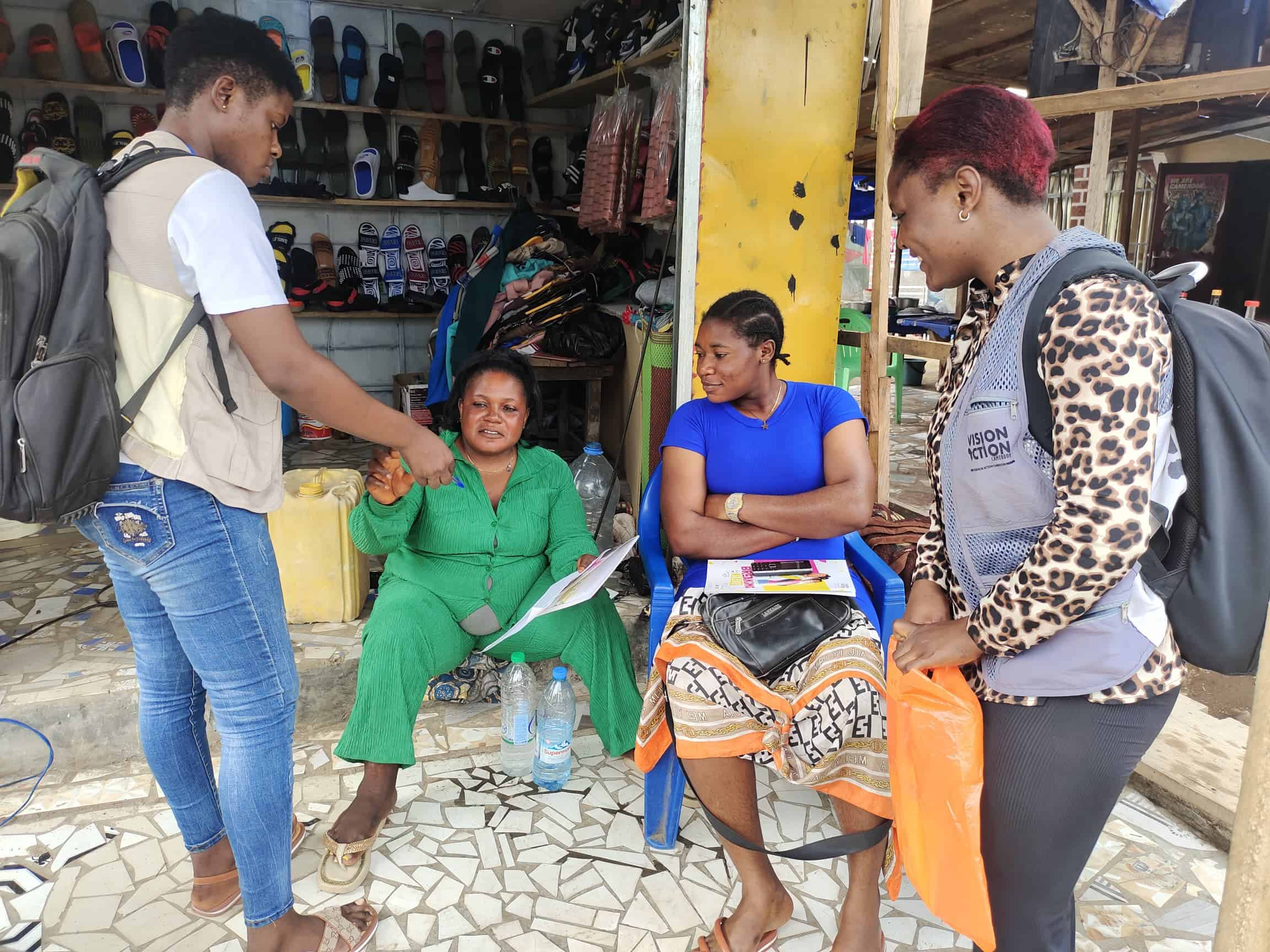
- Organize legal awareness campaigns to inform women of their rights under new laws
- Support legal aid services for victims of gender-based violence and discrimination
2. Economic Empowerment:
- Provide micro-grants and vocational training for women-led businesses, especially in agriculture and green energy sectors
- Facilitate access to credit and land ownership through partnerships with financial institutions
3. Leadership Development
- Establish leadership institutes to build political capital among women
- Advocate for gender quotas in local councils and public institutions
Vision In Action Cameroon’s (#VIAC)Role:
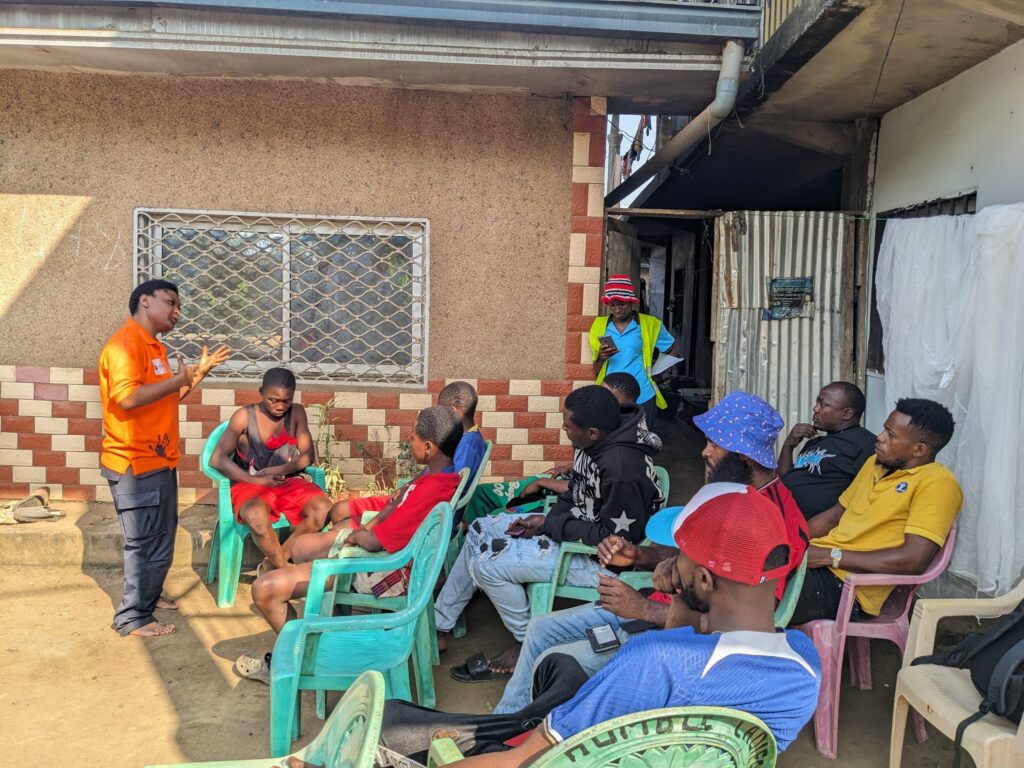
In this effect, Vision in Action Cameroon (VIAC) has played a very pivotal role in mitigating some of these norms and shifting the people’s mind from equality to equity in the communities they work with by;
- Clarifying the values of the community leaders of these communities, since most of them still hold strong these patriarchy ideologies
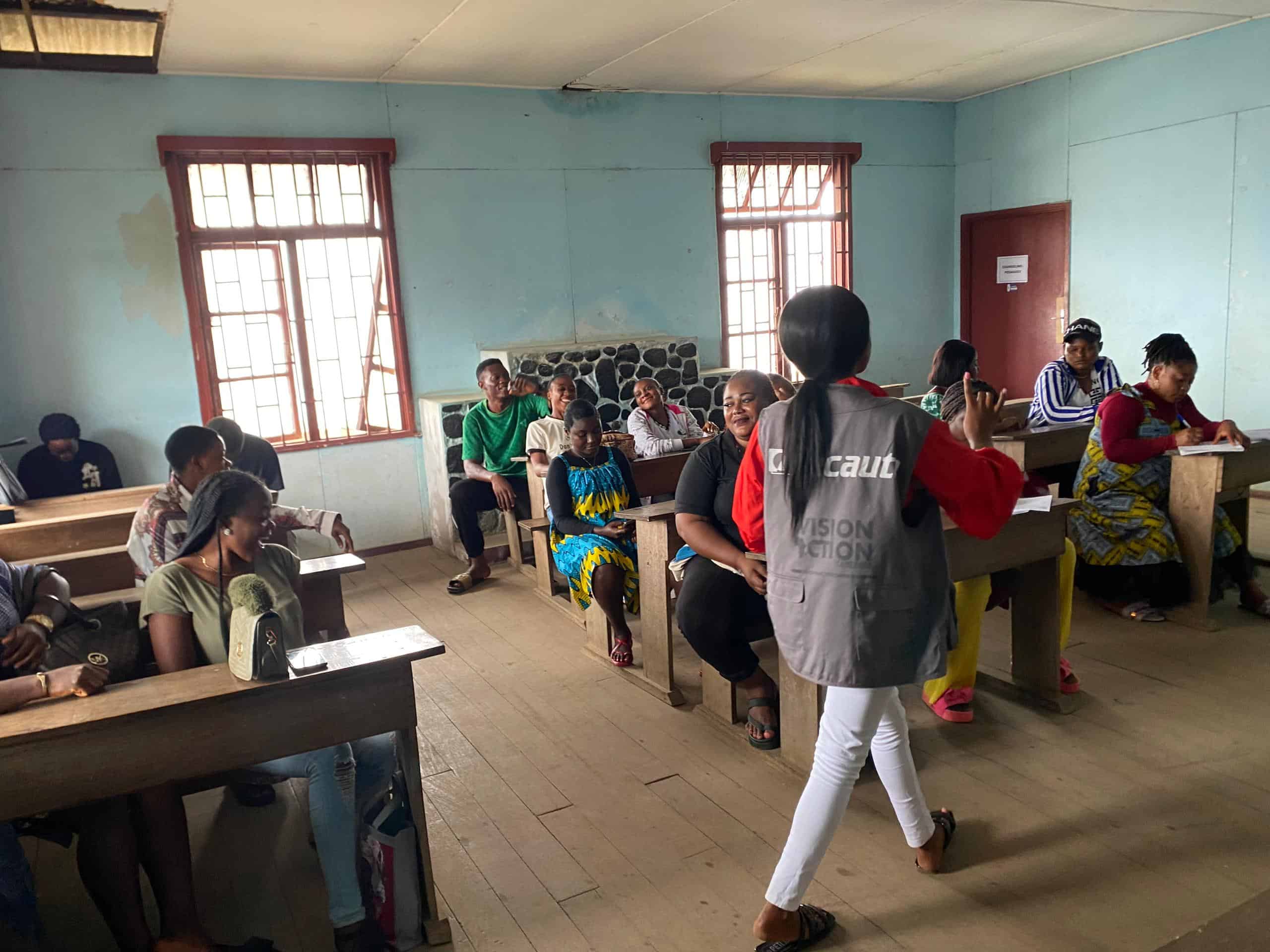
- Having Value Clarification and Attitude Transformation (VCAT) sessions with members of the community to debunk their beliefs and transform their attitude towards equity.
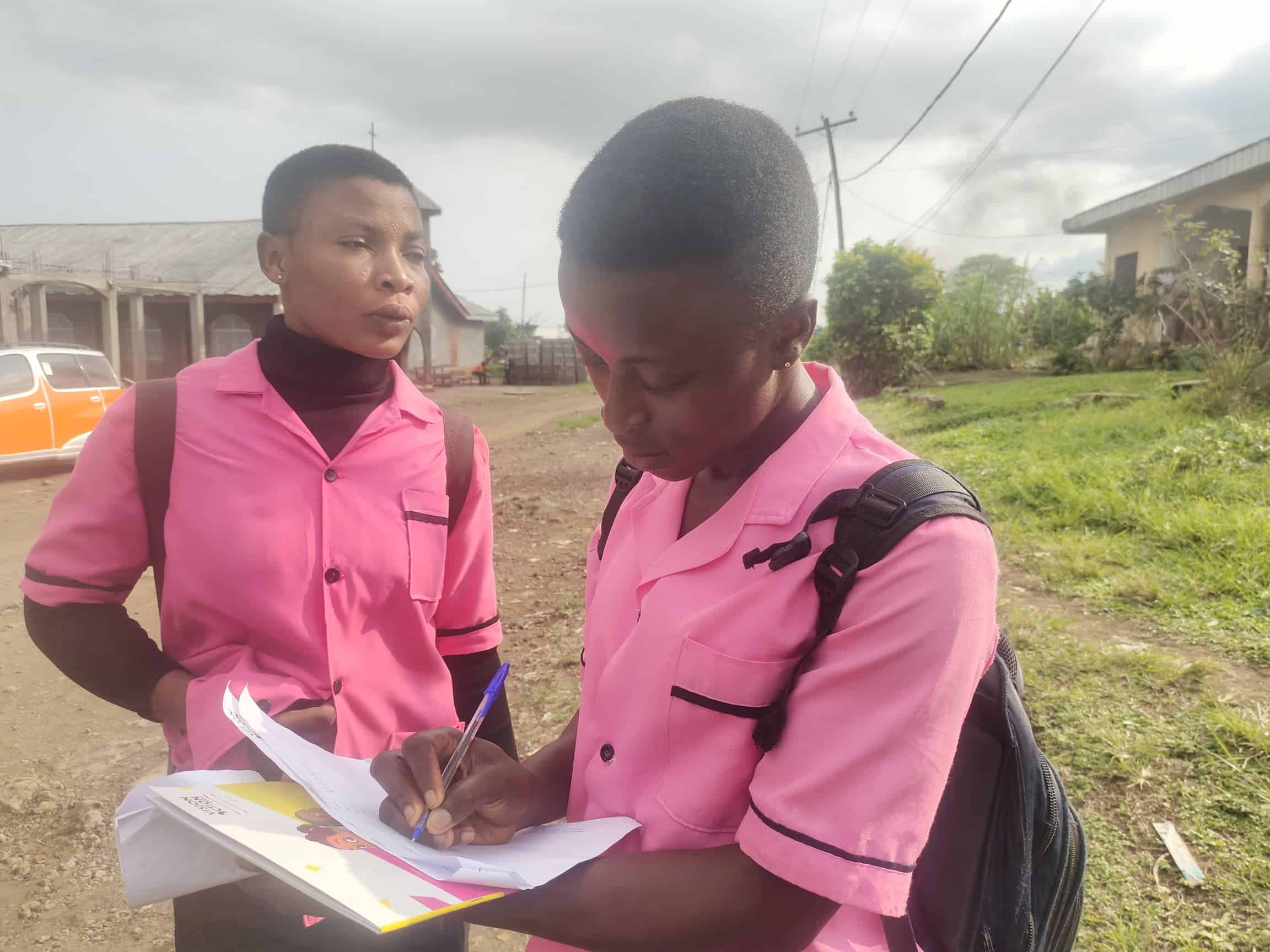
- Organize Safe spaces, focus group discussions, and in-depth interviews to understand the communities’ beliefs and identify strategies on how to mitigate such norms.
- Engaging members of the community in Gender Transformative Approach (GTA) sessions to create awareness on the harmful effects of carrying out particular roles based on gender, and the adverse outcomes of segregating the two genders, making one as superior over another.
Conclusion: Equity as the Path to Justice
In Cameroon, the journey toward gender justice must move beyond symbolic equality to embrace practical equity. While constitutional guarantees and legal reforms lay the foundation, true transformation requires dismantling patriarchal ideologies and empowering marginalized voices.
Equity is not about giving more to some it’s about giving everyone what they need to succeed. It’s about recognizing that our starting points are different and tailoring support accordingly. NGOs, CBOs, and civil society must continue to push for inclusive policies, amplify women’s voices, and challenge the status quo.
Let us build a Cameroon where gender justice is not a distant ideal but a lived reality where every individual, regardless of gender, has the opportunity to thrive.