- March 14, 2026
- Posted by: Viacame Communication
- Category: Uncategorized
Introduction:
‘International Women’s Day did not begin as a celebration, it began as resistance.‘
International Women’s Day (IWD), celebrated annually on March 8, is a global day dedicated to recognizing women’s social, economic, cultural, and political achievements while also advocating for gender equality. Although today the day is widely celebrated through events, conferences, and cultural activities, its origins are deeply rooted in political activism, labor movements, and women’s struggles for rights and dignity in the early twentieth century (United Nations, 2023).
International Women’s Day did not begin as a celebration but rather as a movement driven by protests against exploitation, inequality, and lack of political representation. Women workers, especially in industrialized cities in Europe and North America, faced extremely difficult working conditions, low wages, and little legal protection. These injustices eventually led to organized protests that laid the foundation for what would later become International Women’s Day (International Labour Organization, 2019).
Understanding the origins of this day requires examining the social and economic conditions that women experienced during the industrial era, when millions of women entered factories yet were denied the rights and protections given to men.
Working Conditions of Women During the Industrial Era
During the late nineteenth and early twentieth centuries, the Industrial Revolution transformed economies across Europe and North America. Factories expanded rapidly, and industries such as textiles, garment manufacturing, and food processing began employing large numbers of women because they could be paid lower wages than men (Freedman, 2002).
Women workers often labored under extremely harsh conditions.
Long Working Hours
Factory workers, including women and young girls, commonly worked between 12 and 16 hours per day, sometimes six days a week. Breaks were minimal, and overtime was often mandatory. Many women stood for long hours operating machines in overcrowded and poorly ventilated factory environments (International Labour Organization, 2019).
These long hours negatively affected their health and well-being, yet women had little choice because many depended on these jobs to support their families.
Low Wages and Economic Exploitation
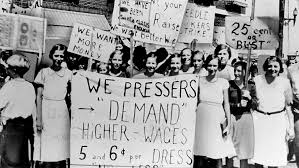
Women were typically paid less than half of the wages earned by male workers, even when performing similar tasks. Employers justified this wage disparity by claiming that women were secondary earners or temporary workers who would eventually leave employment once they married (Freedman, 2002).
In reality, many women were primary income earners responsible for supporting children and other family members. This economic exploitation became one of the main drivers behind early women’s labor protests.
Unsafe and Dangerous Working Environments
Factories were also highly unsafe. Machinery often lacked safety protections, and many workplaces stored flammable materials without proper precautions.
A tragic example that highlighted these unsafe conditions was the
Triangle Shirtwaist Factory Fire in 1911 in New York City, where 146 garment workers, most of them young immigrant women, died when a fire broke out in a factory where exit doors had been locked to prevent workers from leaving early (History Channel, 2022).
This disaster became a turning point in the fight for labor reforms and improved workplace safety.
Political Inequality and the Fight for Voting Rights
In addition to economic exploitation, women also faced severe political discrimination.
During the early twentieth century, women in most countries did not have the right to vote or participate in political decision-making. Governments and parliaments were dominated entirely by men, meaning women had little influence over laws affecting their lives (Evans, 2017).
The lack of political power meant that women could not easily advocate for laws protecting:
- fair wages
- safe working conditions
- maternity protections
- education opportunities
As a result, the women’s suffrage movement emerged across many countries. Activists began organizing campaigns, demonstrations, and petitions demanding equal political rights (Evans, 2017).
Early Women’s Protests and the Rise of the Movement
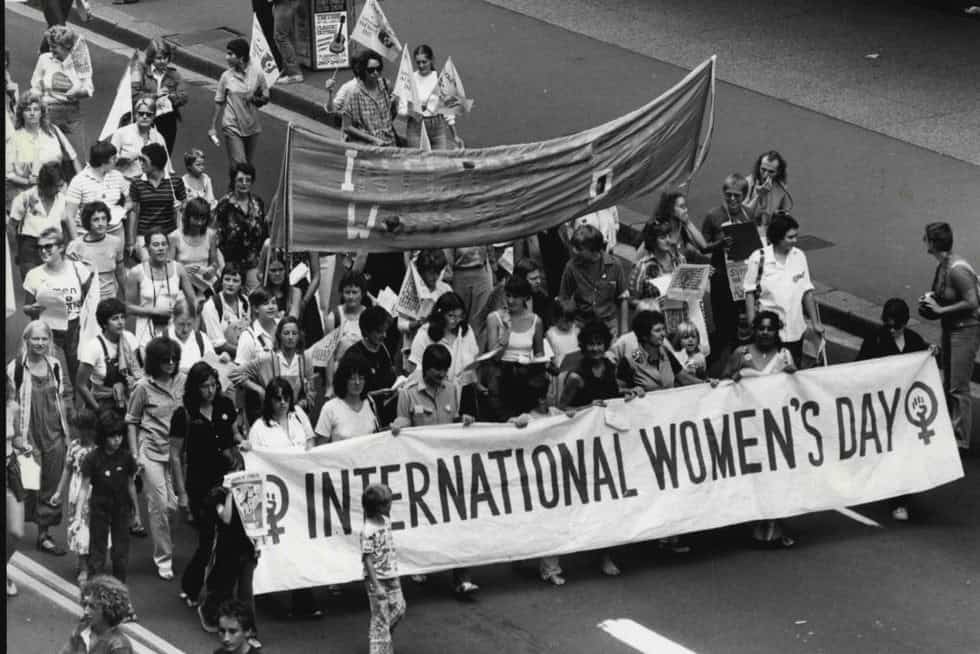
One of the earliest major demonstrations occurred in 1908 in New York, when approximately 15,000 women marched through the streets demanding better wages, shorter working hours, and voting rights (International Women’s Day Organization, 2024).
These protests demonstrated that women were increasingly willing to organize collectively to challenge discrimination and exploitation.
The First National Women’s Day
In 1909, the Socialist Party of America declared the first National Woman’s Day, which was celebrated across the United States on February 28, 1909 (United Nations, 2023).
This day served as a platform to raise awareness about women’s rights and encourage political participation among women workers.
The Creation of International Women’s Day
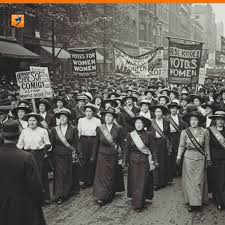
The idea of creating a global women’s day was proposed in 1910 at the
International Socialist Women’s Conference in Copenhagen by German activist
Clara Zetkin.
Zetkin proposed that women in every country should celebrate a day dedicated to advocating for their rights and promoting gender equality. The proposal received unanimous approval from over 100 women representing 17 countries (United Nations, 2023).
The First International Women’s Day (1911)
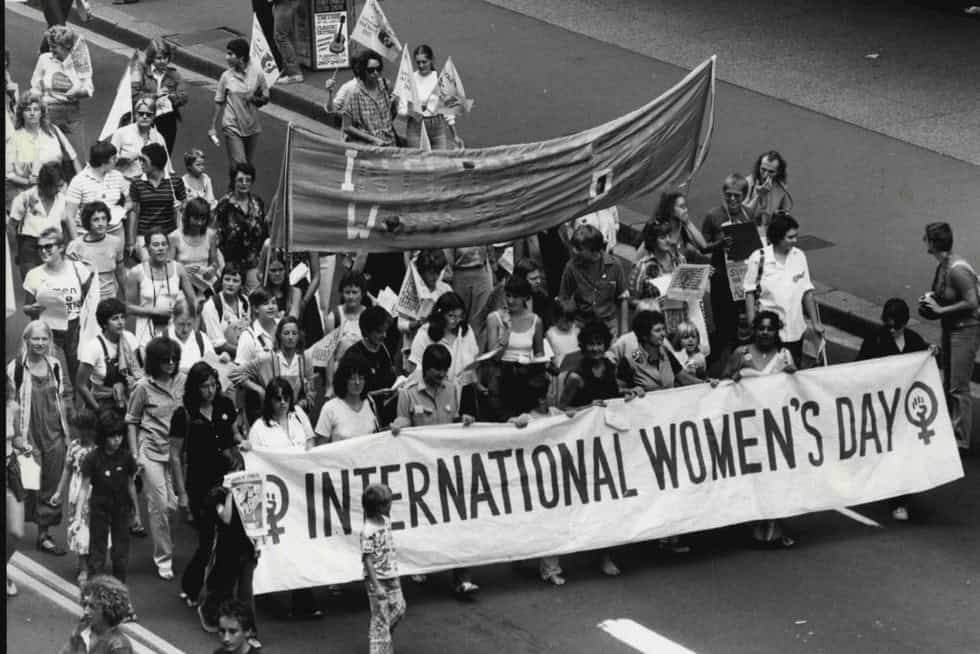
The first International Women’s Day was celebrated in 1911 in:
- Austria
- Germany
- Denmark
- Switzerland
More than one million people participated in demonstrations and rallies, demanding women’s rights to vote, work, and hold public office (International Women’s Day Organization, 2024).
Why March 8 Became the Official Date
The association of International Women’s Day with March 8 emerged from a historic protest in Russia.
In 1917, during the final years of World War I, women workers in
Petrograd (now Saint Petersburg) organized large demonstrations demanding “bread and peace.”
These protests were motivated by severe food shortages, economic hardship, and dissatisfaction with the war. The demonstrations quickly escalated and played a significant role in triggering the
Russian Revolution (Britannica, 2023).
Just a few days after the protests began, the Russian government granted women the right to vote, marking a major victory for the women’s movement. Because the protest occurred on March 8 in the Gregorian calendar, the date later became internationally recognized as International Women’s Day (Britannica, 2023).
Global Recognition by the United Nations
In 1975, the United Nations officially recognized International Women’s Day during International Women’s Year, giving the observance global legitimacy and encouraging countries worldwide to celebrate and promote women’s rights (United Nations, 2023).
Since then, the United Nations has assigned annual themes focusing on issues such as gender equality, women’s leadership, and economic empowerment.
International Women’s Day in Cameroon
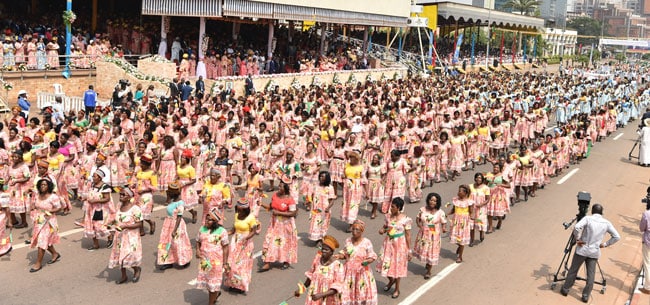
In Cameroon, the celebration of International Women’s Day gradually gained national visibility during the 1970s and 1980s, particularly after the United Nations officially recognized the day in 1975 during the International Women’s Year. Unlike the origins of the day in parts of Europe and North America—where it emerged from protests and labor riots—International Women’s Day in Cameroon did not begin as a confrontation or street protest. Instead, it developed primarily as a moment of national recognition and appreciation for the roles women play in society and in the development of the country.
During the decades following independence in 1960, Cameroon was in the process of defining its national identity and strengthening its social and economic structures. Women were already central to this process. Across rural and urban communities, women played vital roles in agriculture, food production, market trade, family care, and community organization. In many rural areas, women were responsible for cultivating crops, managing household food security, and participating in local cooperative farming systems. In urban centers, they dominated informal markets and small-scale trade, contributing significantly to household incomes and local economies.
Despite these enormous contributions, much of women’s work remained socially undervalued and largely invisible in formal economic statistics and political discourse. The introduction and recognition of International Women’s Day in Cameroon therefore created an important opportunity to publicly acknowledge women’s labor, resilience, and contribution to nation-building. March 8 became a symbolic moment where the country could collectively recognize that women were not only caregivers but also economic actors, community leaders, and key contributors to national development.
Over time, the observance of Women’s Day in Cameroon became more organized and structured under government coordination, particularly through the Ministry of Women’s Empowerment and the Family. The government began organizing national themes, public discussions, and official ceremonies aimed at highlighting women’s achievements and addressing gender-related challenges. These activities often include conferences, community forums, educational campaigns, and national parades held across cities and towns.
One of the most recognizable cultural features of International Women’s Day in Cameroon is the commemorative March 8 fabric, commonly known as the pagne du 8 mars. Each year, a special fabric design is produced to reflect the theme of that year’s celebration. The fabric usually contains symbolic imagery and messages related to women’s empowerment, national unity, and gender equality. Women across the country purchase and wear this fabric during celebrations, particularly during the national march.
The act of wearing the same fabric carries a strong symbolic meaning. It represents unity, solidarity, and collective visibility. Women from different backgrounds—market traders, teachers, civil servants, farmers, students, members of churches, cooperatives, and civil society organizations—come together dressed in the same fabric and march in organized groups. These associations often include women’s cooperatives, professional organizations, community development groups, and faith-based networks. Walking together during the parade symbolizes shared identity and collective strength, reinforcing the idea that women, despite their diverse roles and experiences, are united in their contribution to society.
Over the years, International Women’s Day in Cameroon has therefore evolved into a national cultural and social event, blending celebration, recognition, and advocacy. While the day includes festivities and public marches, it also serves as a moment to reflect on the progress made in advancing women’s rights and to discuss the challenges that still remain, such as economic inequality, access to education, and gender-based violence.
Today, the celebration also increasingly involves young women and adolescent girls, who participate through schools, youth organizations, and community initiatives. Their participation helps ensure that the meaning of the day extends beyond celebration to include education, awareness, and the continuation of advocacy for gender equality.
In this way, International Women’s Day in Cameroon functions not only as a celebration but also as a national platform for recognizing women’s contributions, strengthening solidarity, and encouraging future generations of girls and women to continue shaping the country’s development.
The Role of Young Girls in International Women’s Day
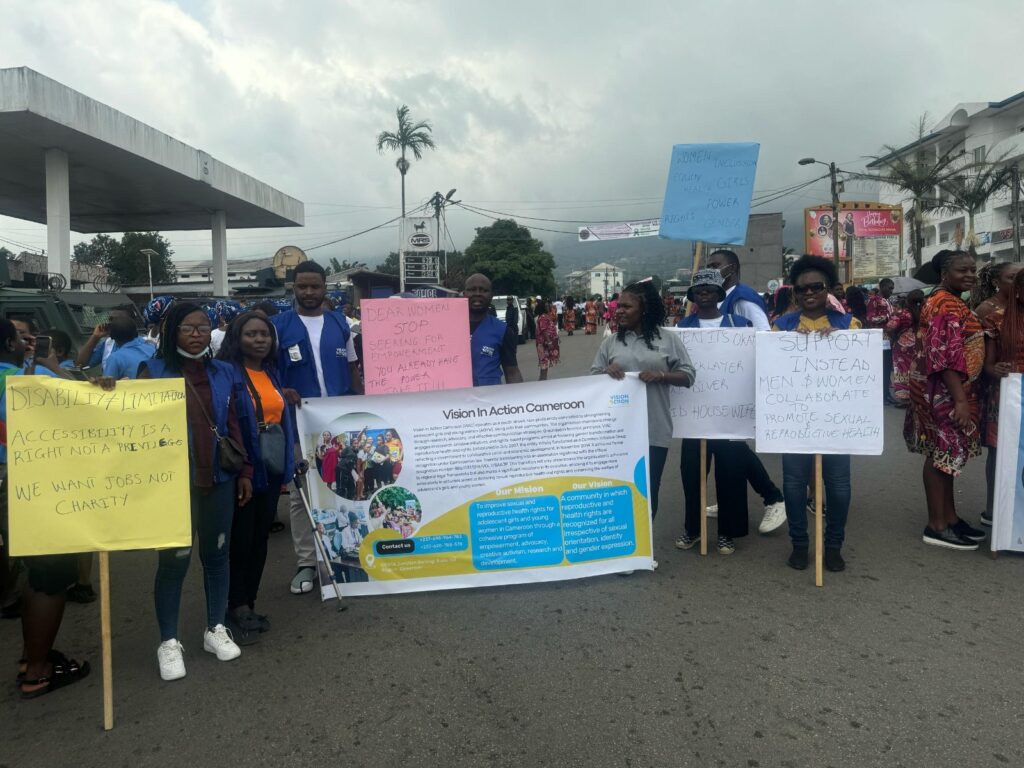
International Women’s Day is not only a day to celebrate the achievements of women but also an opportunity to empower the next generation of female leaders—especially adolescent girls and young women. While the early struggles that led to the creation of this day were led by adult women demanding labor rights and political representation, the future of the movement increasingly depends on young girls who will continue advocating for equality, justice, and leadership opportunities.
Recognizing Girls as Future Leaders
Young girls today represent the future leaders, innovators, and decision-makers of society. However, in many communities, girls still face barriers such as limited access to education, cultural expectations that restrict their ambitions, and fewer opportunities to participate in leadership roles. International Women’s Day provides an important platform to challenge these barriers by encouraging girls to recognize their abilities, voice their ideas, and participate actively in shaping their communities.
When girls are involved in Women’s Day activities such as; debates, public speaking events, youth forums, and community dialogues, they gain the confidence to express their opinions and take leadership roles. These experiences help them understand that leadership is not limited by age or gender and that they too have the power to influence change.
Women’s Day as a Platform for Youth Advocacy
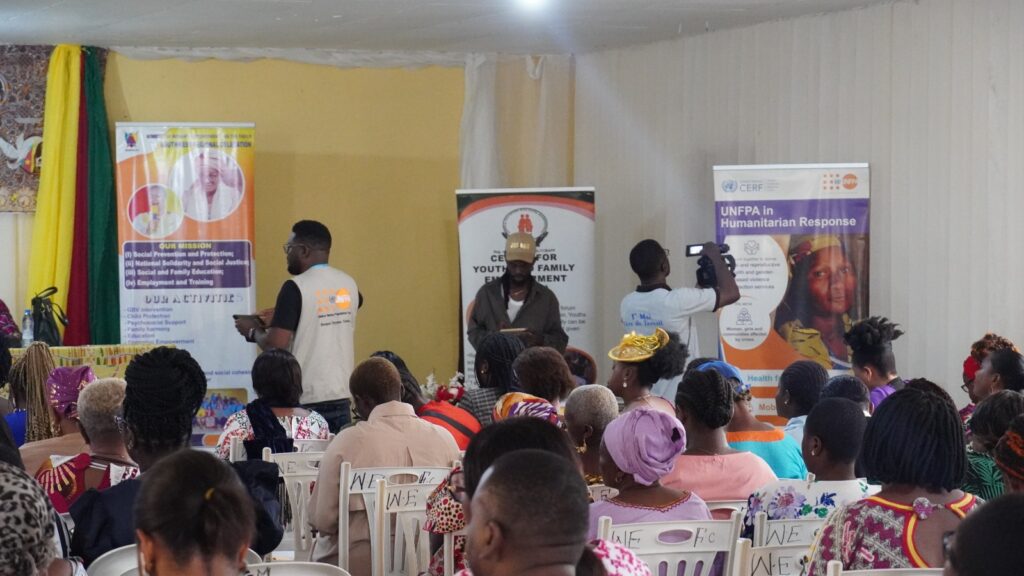
International Women’s Day serves as a powerful advocacy platform for young girls. By participating in celebrations, discussions, and campaigns, girls can raise awareness about issues affecting them directly, including:
- access to quality education
- child marriage and early pregnancy
- gender-based violence
- equal opportunities in leadership and employment
Through these platforms, girls learn that their voices matter and that advocacy can influence policies and attitudes within their communities.
Building Confidence and Visibility
One of the most important impacts of Women’s Day is the visibility it gives to women and girls. When young girls see women leaders speaking at conferences, leading organizations, or marching proudly in public celebrations, it sends a powerful message that women belong in leadership spaces.
Participation in Women’s Day activities can therefore help girls build:
- self-confidence
- leadership skills
- public speaking abilities
- awareness of their rights
This visibility also helps challenge stereotypes that often limit girls’ ambitions.
Encouraging Mentorship and Intergenerational Dialogue
International Women’s Day also provides an opportunity to create connections between older women and younger generations. Through mentorship programs, storytelling sessions, and intergenerational dialogues, experienced women can share their journeys, challenges, and successes with young girls.
These exchanges allow girls to learn from women who have navigated barriers and succeeded in various fields such as politics, education, entrepreneurship, and community leadership. Such mentorship helps young girls envision broader possibilities for their own futures.
Creating More Leadership Spaces for Girls
If harnessed effectively, Women’s Day can be used to advocate for more leadership spaces for young women. Schools, youth organizations, and community groups can use the day to promote:
- youth leadership programs
- girls’ clubs and advocacy groups
- policy discussions involving young women
- opportunities for girls to participate in community decision-making
Providing these spaces ensures that girls are not only celebrated but are also actively involved in shaping the decisions that affect their lives.
Inspiring Girls to Aim Higher
Ultimately, International Women’s Day should inspire young girls to dream beyond existing limitations. Learning about the history of women’s struggles—from labor protests to the fight for voting rights—helps girls understand that the freedoms they enjoy today were achieved through courage and collective action.
By participating in Women’s Day celebrations, girls can see themselves as part of a continuing movement for equality. They can recognize their roots, appreciate the achievements of those who came before them, and feel motivated to push further for greater opportunities, leadership representation, and social change.
Conclusion
International Women’s Day emerged from the struggles of women workers who fought against exploitation, unsafe working conditions, and political exclusion. Over time, it evolved into a global movement advocating for women’s rights and gender equality.
While significant progress has been made, challenges such as gender-based violence, wage inequality, and limited political representation still exist. For this reason, International Women’s Day continues to serve as both a celebration of achievements and a platform for ongoing advocacy.
For adolescent girls and young women, the day represents an opportunity to learn about the history of women’s activism, gain confidence, and actively participate in shaping a more equal future.
References
Britannica. (2023). International Women’s Day. Encyclopaedia Britannica.
Evans, S. (2017). Born for Liberty: A History of Women in America. Free Press.
Freedman, E. (2002). No Turning Back: The History of Feminism and the Future of Women. Ballantine Books.
History Channel. (2022). Triangle Shirtwaist Factory Fire.
International Labour Organization. (2019). Women at Work: Trends Report.
International Women’s Day Organization. (2024). History of International Women’s Day.
United Nations. (2023). International Women’s Day Background and History.